August 13, 2026
The topic of crawlspace encapsulation is one of significant importance for homeowners who aim to protect and enhance the value of their properties. Encapsulation involves sealing a crawlspace to prevent moisture intrusion, which can lead to issues like mold, structural damage, and pest infestation. Understanding the essentials of choosing and working with professional crawlspace encapsulation companies will prepare homeowners to make informed decisions, ensuring a safer and healthier home environment.
Understanding Crawlspace Encapsulation
What is Crawlspace Encapsulation?
Crawlspace encapsulation is the process of sealing a crawlspace to create a dry and energy-efficient environment underneath a house. It involves the use of vapor barriers and insulation materials to prevent moisture ingress from the ground and air. Encapsulation helps maintain consistent indoor temperatures and protect structural components from humidity-related issues. The process typically includes the installation of a heavy-duty polyethylene liner covering the ground and walls, along with sealing any vents and openings in the crawlspace. Homeowners increasingly opt for encapsulation as a proactive step towards ensuring the longevity and health of their living spaces.
Benefits of Crawlspace Encapsulation
The numerous benefits of crawlspace encapsulation make it a valuable investment for any homeowner. First and foremost, encapsulation helps in preventing moisture problems that can lead to mold growth, which in turn can affect indoor air quality and cause health issues. Additionally, by creating a barrier against moisture, encapsulation reduces the risk of pest infestations, including termites and rodents, which thrive in damp environments. Energy efficiency is also improved as sealing crawlspaces can lead to reduced heating and cooling costs due to decreased air leakage. Lastly, encapsulation enhances the overall structural integrity of a home by protecting the foundation from water damage.
Common Crawlspace Problems Addressed
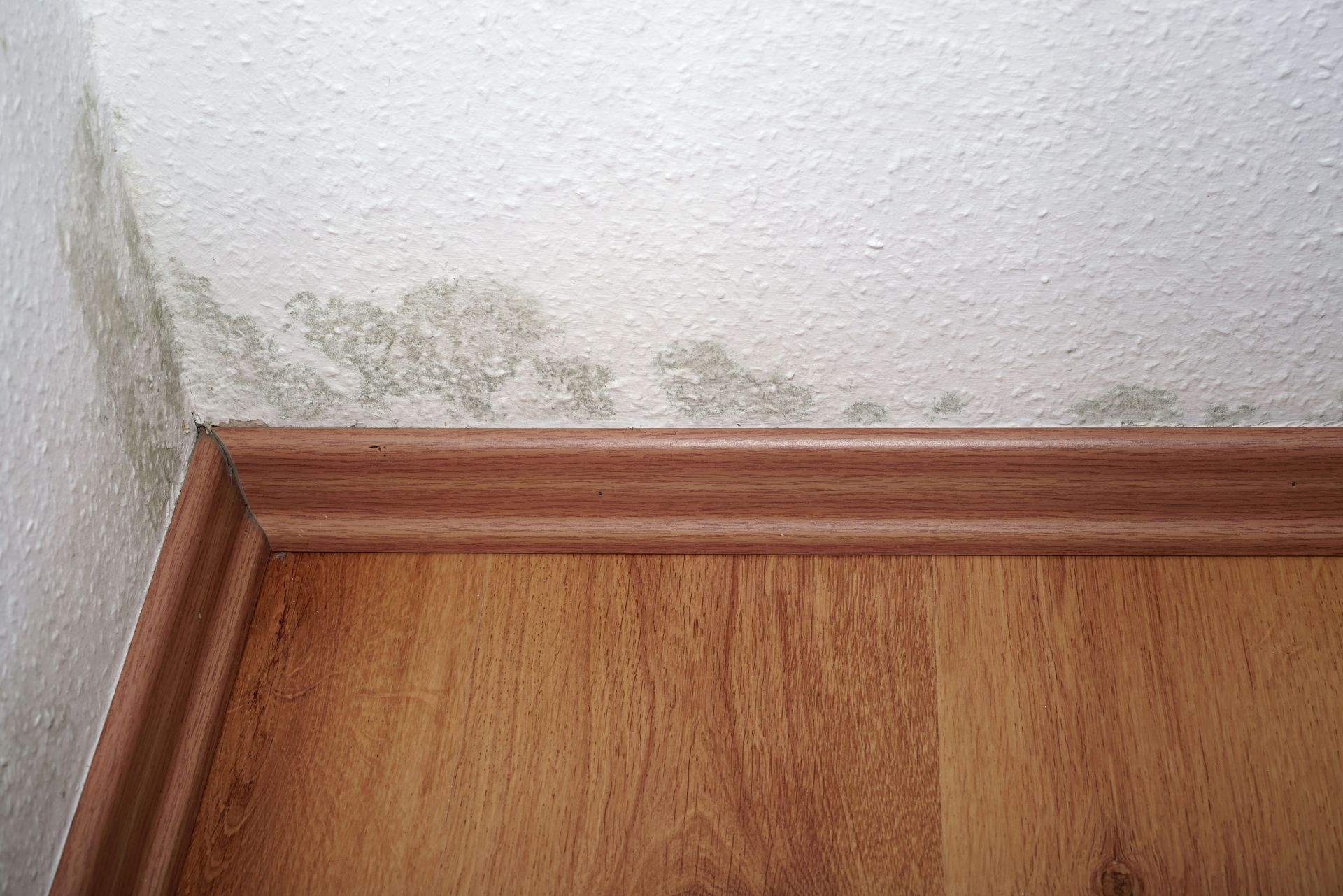
Several common problems are addressed through effective crawlspace encapsulation. High humidity levels within crawlspaces can lead to wood rot, mold, and mildew development, which can compromise structural integrity and indoor air quality. Encapsulation tackles these issues by creating a moisture barrier, thereby reducing the sources of these problems. Additionally, encapsulation prevents cold floors and drafts in living spaces above the crawlspace by insulating against temperature fluctuations. According to Fox Blocks, 15% of house foundations include crawlspaces, highlighting the potential for issues in a substantial portion of homes. By addressing moisture, air quality, and temperature inconsistencies, encapsulation delivers multiple protective benefits.
Materials Used in Encapsulation
The materials used in crawlspace encapsulation are critical to the process’s success in creating an effective moisture seal. Heavy-duty polyethylene sheeting is commonly used for vapor barriers, providing a durable and impermeable membrane over the floor and walls of the crawlspace. Insulation materials, such as foam board or spray foam, are employed for thermal protection, contributing to reduced energy costs and enhanced comfort in the home. Additionally, specialized sealing systems are used to close vents and openings, ensuring air and moisture cannot enter the crawlspace. Each material used is selected for its specific role in comprehensive moisture control, thermal management, and pest prevention.
DIY vs. Professional Services
While some homeowners may consider tackling crawlspace encapsulation as a DIY project, professional services offer several significant advantages. Professionals have the experience, expertise, and specialized equipment needed to ensure comprehensive and effective encapsulation. They can assess specific crawlspace conditions, recommend suitable materials, and avoid potential pitfalls that a DIY effort might encounter. Additionally, professional companies are licensed and insured, providing homeowners with peace of mind and protection if any issues arise during or after encapsulation. The choice between DIY and professional services ultimately depends on the complexity of the project and the homeowner's confidence in tackling specialized tasks.
Researching Crawlspace Encapsulation Companies
Identifying Reputable Companies
Identifying reputable crawlspace encapsulation companies requires a diligent approach to research and screening. One method involves seeking recommendations from friends, family, or neighbors who have recently undergone the encapsulation process. Online resources such as review websites and local business directories can also provide valuable insights into customer experiences. Reputable companies typically have established track records and positive feedback, offering prospective clients reassurance of their reliability and quality of work. Checking industry affiliations and membership in professional organizations can further demonstrate a company’s commitment to practices and standards.
Checking Licenses and Certifications
Verifying licenses and certifications is an essential step when selecting a crawlspace encapsulation company. A valid license ensures that the company is legally authorized to operate within a given area and adheres to required industry standards. Certifications, on the other hand, indicate specialized training and expertise in certain product applications or industry-specific knowledge. Homeowners should not hesitate to request proof of licensing and certifications, as well as information about employee training programs. In addition, ensuring that a company is insured can provide homeowners with protection against potential liabilities during the encapsulation process.
Reading Customer Reviews and Testimonials
Customer reviews and testimonials offer valuable insights into the experiences of those who have previously hired crawlspace encapsulation companies. Reviews often highlight aspects such as customer service, professionalism, timeliness, and quality of completed work. Paying attention to recurring themes or issues mentioned in reviews can help homeowners make informed decisions about which companies to consider or avoid. While individual reviews should not be taken in isolation, the overall sentiment and feedback can be indicative of a company's reputation and reliability. Taking time to read multiple sources of reviews provides a more comprehensive view of a company's real-world performance.
Comparing Service Packages
Comparing service packages from different crawlspace encapsulation companies allows homeowners to identify offerings that best meet their needs and budget constraints. Service packages can vary significantly, with some companies providing basic encapsulation and others offering comprehensive solutions that include additional features such as moisture and humidity control systems. Understanding what each service package entails, in terms of materials, methods, and warranties, is vital for ensuring that expectations align with the services provided. By obtaining detailed proposals from multiple companies and comparing them side-by-side, homeowners can make well-informed choices about which company offers the most value.
Evaluating Costs Versus Services Provided
Evaluating costs versus services provided is essential to ensure that homeowners receive value for their investment in crawlspace encapsulation. It's important to analyze what specific services are included in a given cost, such as the type of materials used, the extent of problem resolution, and any additional features like dehumidification systems. Some companies may offer lower prices but utilize substandard materials or offer limited services that could result in future remediation expenses, nullifying initial savings. Homeowners should prioritize thoroughness and quality over price alone and explore company-specific warranties to ensure future peace of mind. By understanding cost breakdowns and what contributes to value, an informed decision can be made regarding service selection.
Inspection and assessment services are foundational to effective crawlspace encapsulation, as they identify areas of concern that need addressing. Professional assessors conduct detailed evaluations of moisture levels, structural components, and existing damage or pest infiltration. Such inspections often include specialty equipment like moisture meters and thermal cameras to detect hidden issues not visible to the naked eye. Based on assessments, companies create custom-tailored encapsulation plans that address the specific problems at hand. Detailed inspections prior to encapsulation ensure that all contributing factors to crawlspace issues are addressed, enhancing the efficacy of the encapsulation process. Be sure to reach out to Mold Busters today to learn more about our professional crawlspace encapsulation companies!